10 sneaky ways groceries trick you into spending more and how to outsmart them
As an Amazon Associate, I earn from qualifying purchases.
Think grocery shopping is innocent? Think again. Behind the bright lights and tidy aisles, grocery stores are built to get you to spend more than you planned.
From shelf layouts to little mind tricks, stores turn a simple shopping trip into a money trap. But once you see what’s going on, it’s much easier to avoid.
You can flip it in your favor and shop with intention instead of impulse. Here’s how smart shoppers outwit the store, and keep more money in their wallets.

The Fresh-Baked Bread Smell
That cozy, “just baked” scent isn’t an accident. Stores pump it near the entrance to make you hungry. Instead of shopping on an empty stomach, eat first and stick to your list. Pro tip: bring a mint or gum – it kills cravings and saves cash.
Eye-Level = $$$
The priciest brands always sit right where your eyes land. Budget-friendly options hide high or low on the shelves. One of the easiest tips to save money on groceries is to crouch down or glance up – you’ll often find the same quality product for way less. A few extra seconds of scanning can save you big.
Milk in the Back
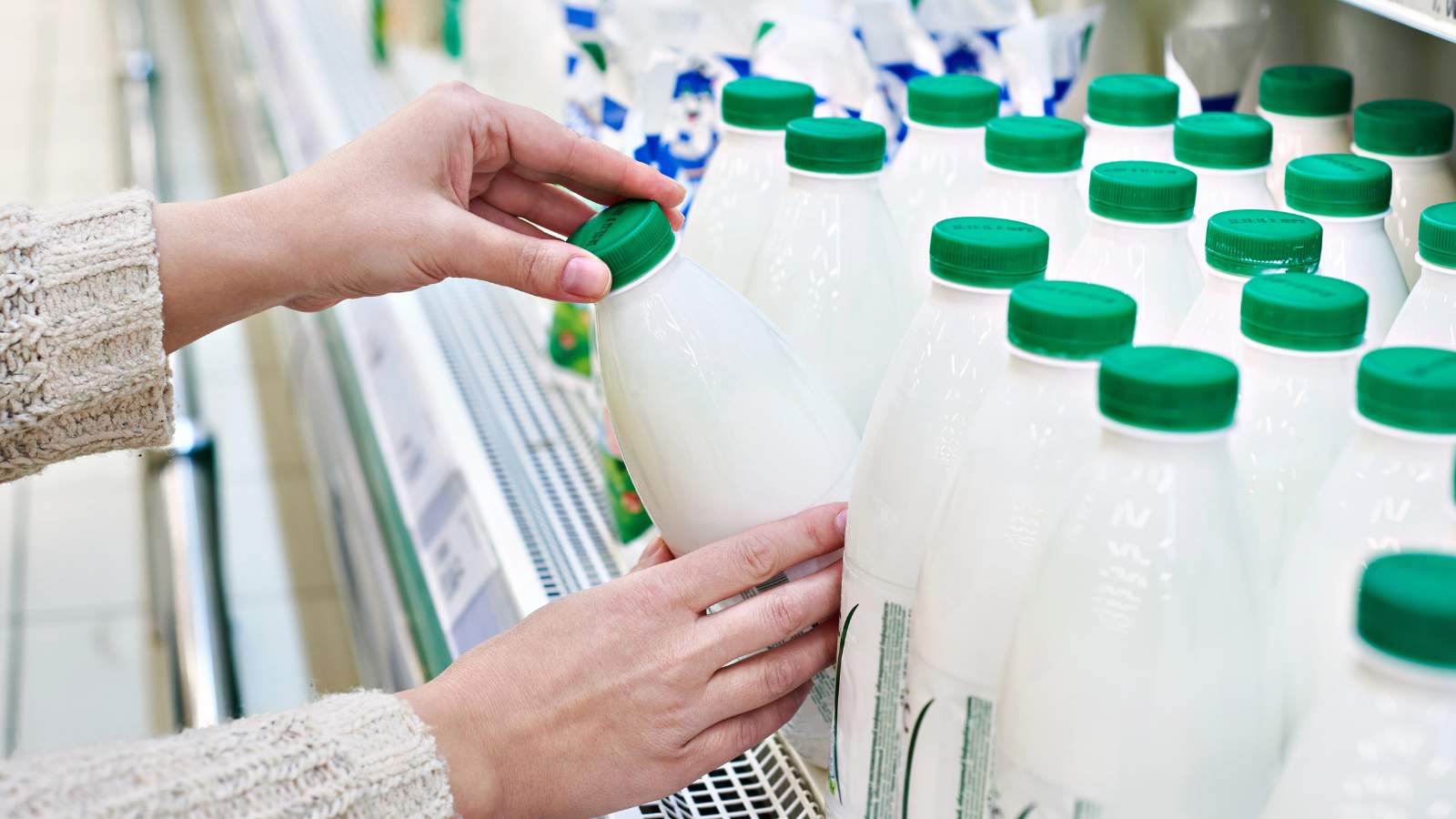
Ever notice you’ve got to trek across the whole store just for a gallon of milk? Stores put milk in the back so you’ll impulse-buy on the way. Beat the system by walking straight there, blinders on. Grab your gallon, then circle back only if you really need other items.
The Checkout Candy Gauntlet
By the time you reach the register, you’re tired and more likely to impulse buy. That’s why sweet treats like candy, gum, and sodas line the checkout lane. Hack it: chew gum or scroll your phone while waiting in line to distract yourself. Bring a protein bar next time to chew on. Small purchases pile quickly, and you don’t want unnecessary expenses especially if you’re family meal planning on a budget.
Giant Carts, Empty Wallet
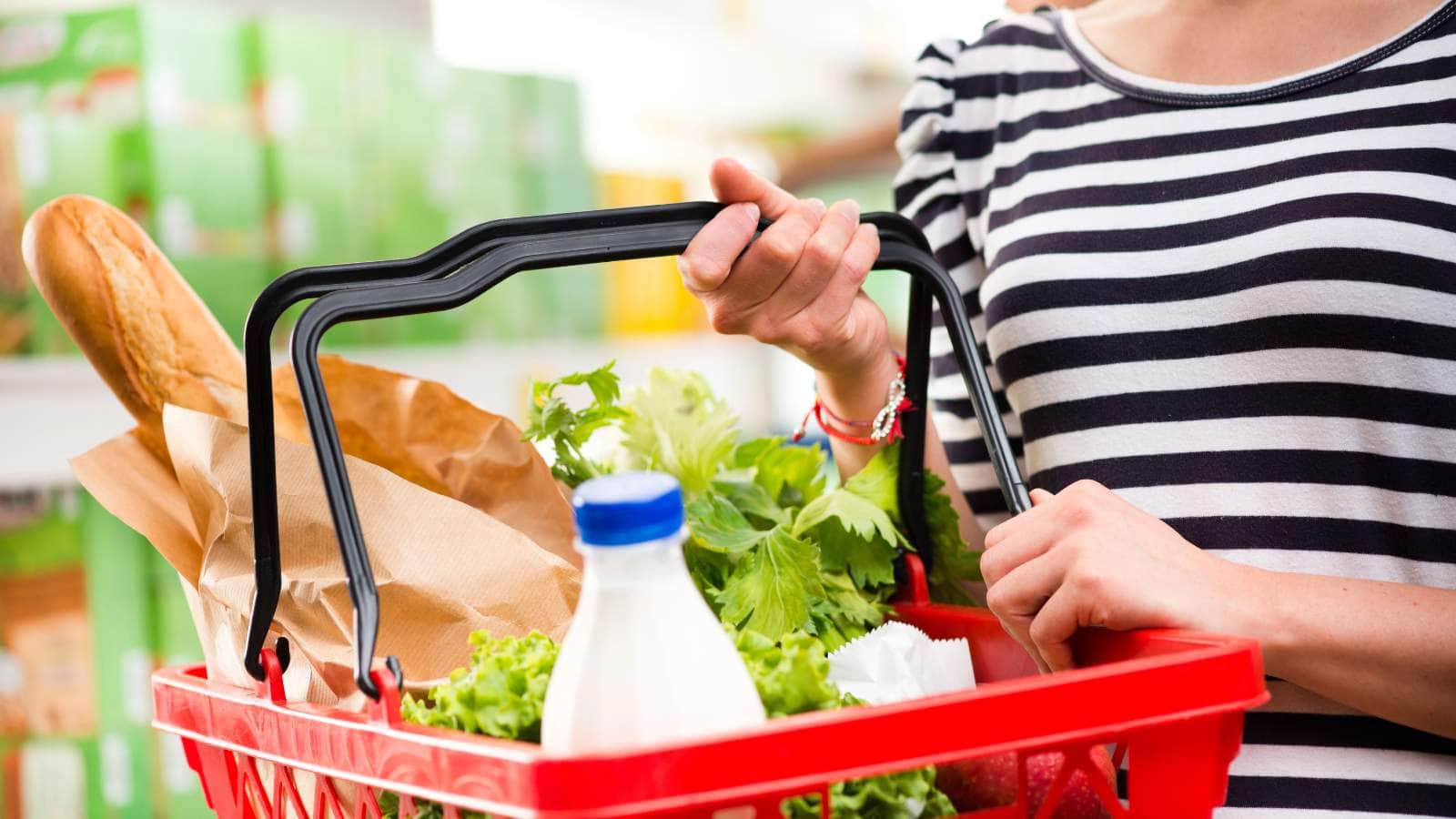
Shopping carts are now bigger to make you feel like you’re not buying enough. It’s a psychological trick that leads to full carts and drained wallets. Carry a basket instead – it forces you to stick to essentials. Less space, less temptation, more money in your pocket.
Slower Music = Slower Shoppers
Stores play mellow music to make you linger longer. The slower you move, the more you browse. And the more you browse, the more you buy. Flip the script by popping in earbuds and listening to upbeat tunes. The faster you shop, the less you spend.
Endcap “Deals” That Aren’t Deals
Those flashy displays at the end of aisles scream “sale,” but often aren’t discounted at all. It’s just clever placement. Shoppers just grab and go, and that’s exactly what stores want. Always check the unit price tag before tossing it in your cart. Real bargain hunters know the best sales are often hidden in the aisle.
Seasonal Traps
Valentine’s goods in January? Pumpkin spice displays in September? Stores push seasonal items early to trigger FOMO. Shoppers rush to buy before it’s gone, even if they don’t need it. Wait a week or two, and you’ll score the same goodies for half the price.

Loyalty Card “Savings”
Those member-only deals aren’t always the steal they seem. Sometimes, the regular price was inflated before the discount. Shoppers feel like they’re saving, but really, they’re just playing the store’s game. Compare the discounted price to generics or even to bulk stores like Costco. True savings come from knowing the real baseline.
Produce Misting Showers
Know those little veggie “rain showers” in the produce aisle? They make veggies look shinier, brighter, and impossible to resist. But here’s the catch – water adds weight, which means you’re paying more per pound. Bring a paper towel or gently shake your produce before bagging. You’ll still get freshness without paying for water.